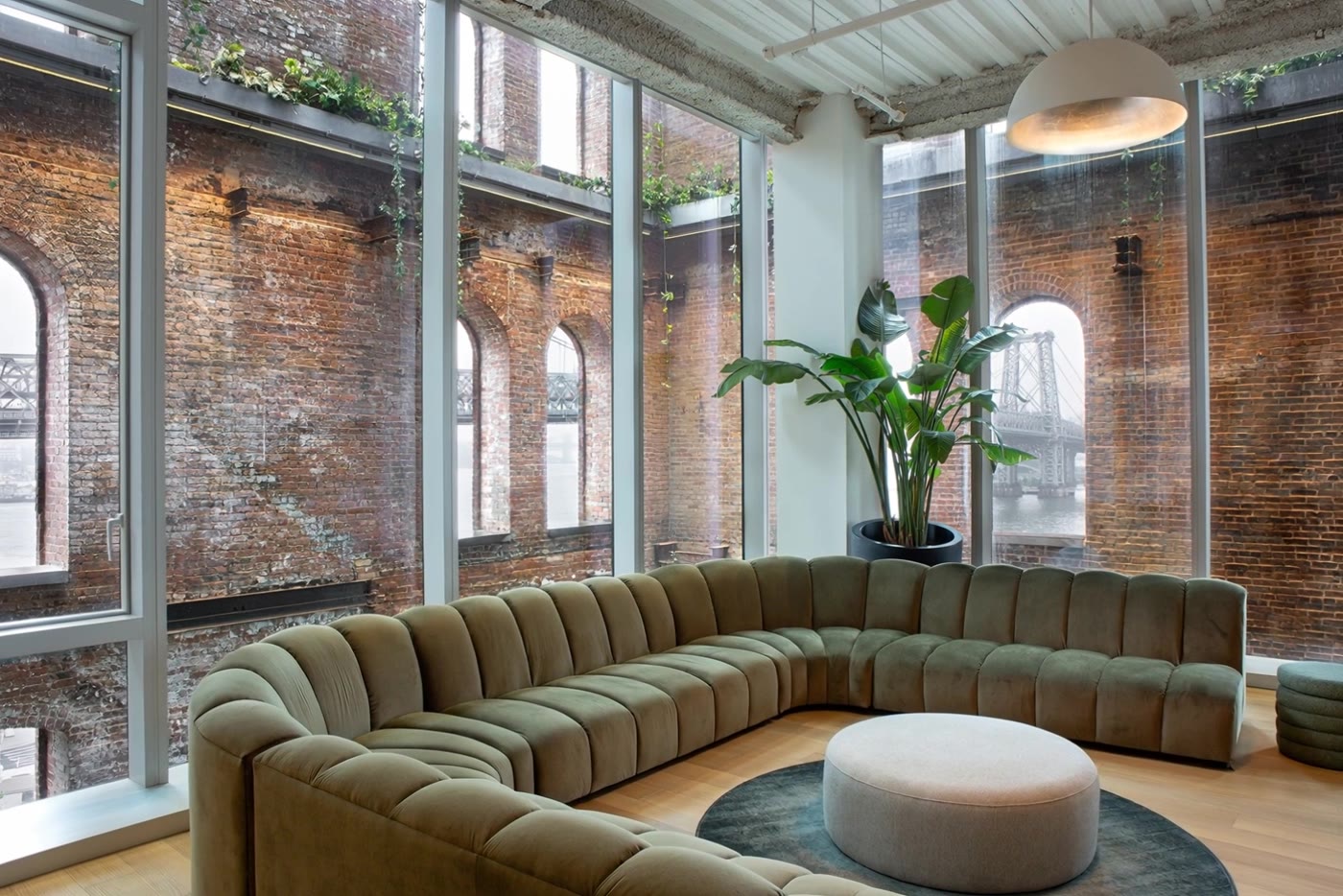
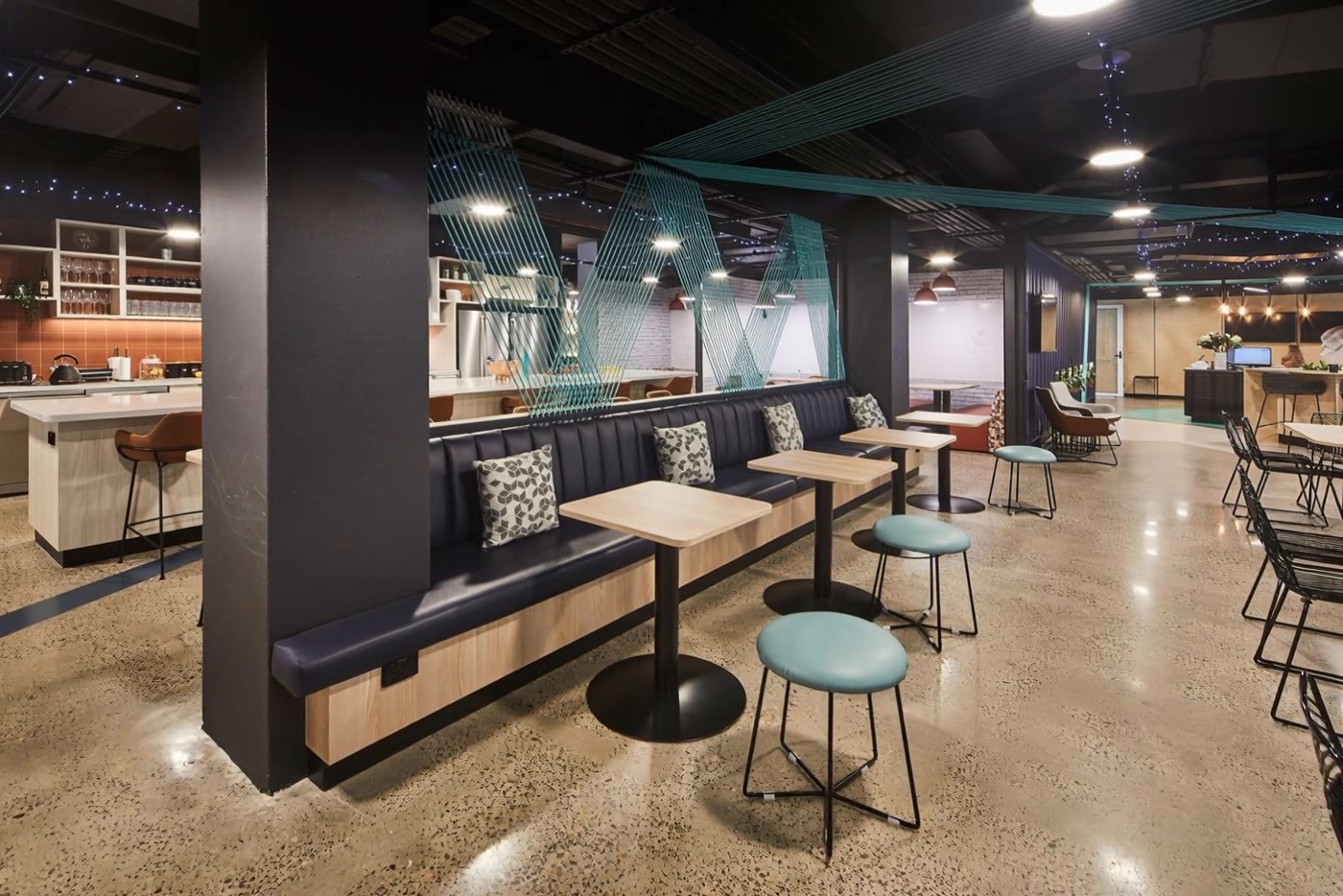
On the edge of Biscayne Bay, a landmark hospitality tower takes shape — a place, a team, and a build that came together as one. This is how it happened.
A skyline still being written.
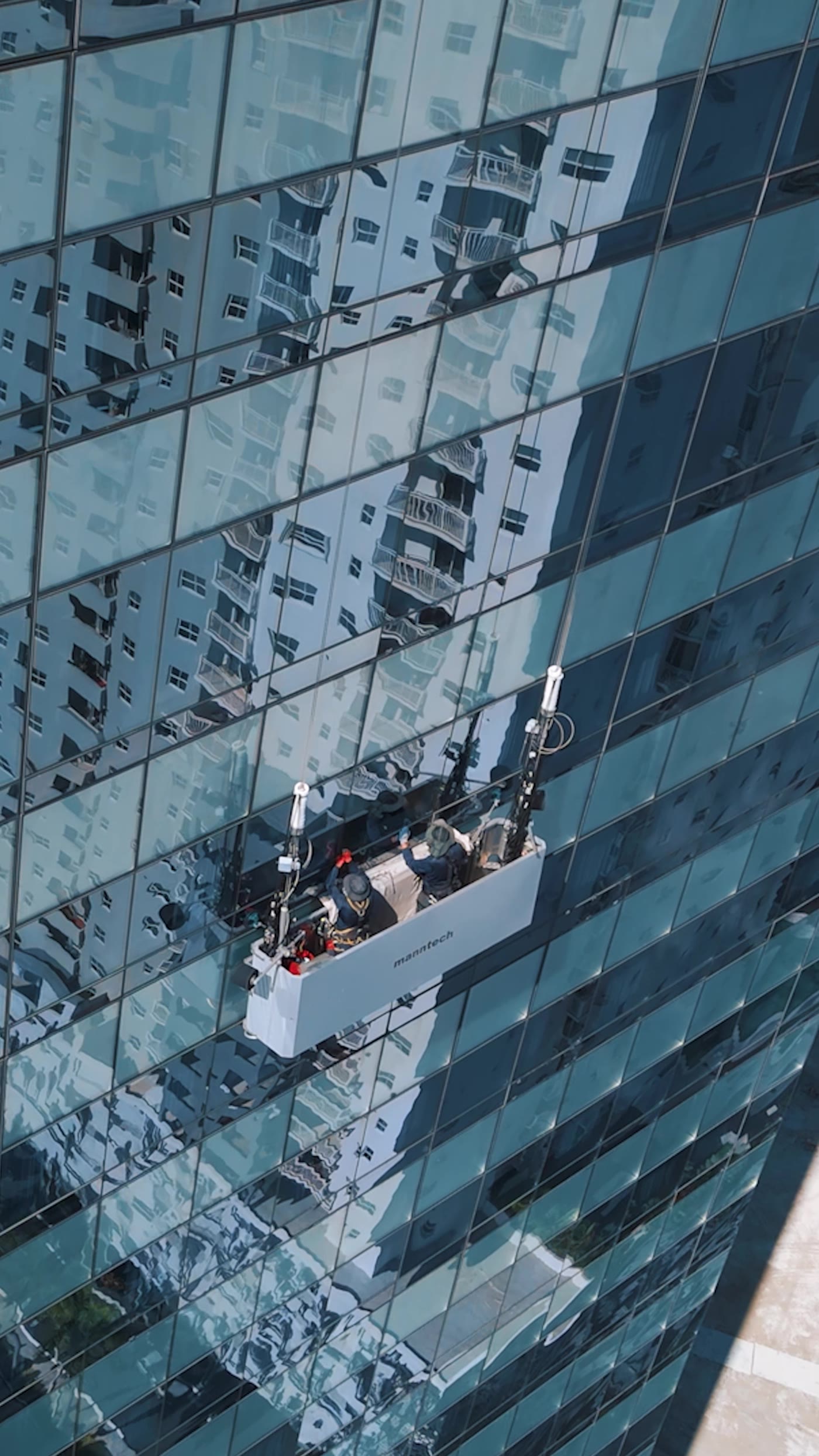
Miami doesn't stand still. Brickell and the bayfront have become one of the fastest-moving skylines in the country — cranes as permanent fixtures, glass towers rising against the water. Building here means building in motion, alongside a city that is remaking itself in real time.
For a hospitality landmark, that context is the brief. The tower had to answer the water, the light, and the pace of a place where the standard is already extraordinary.
One room, every discipline.
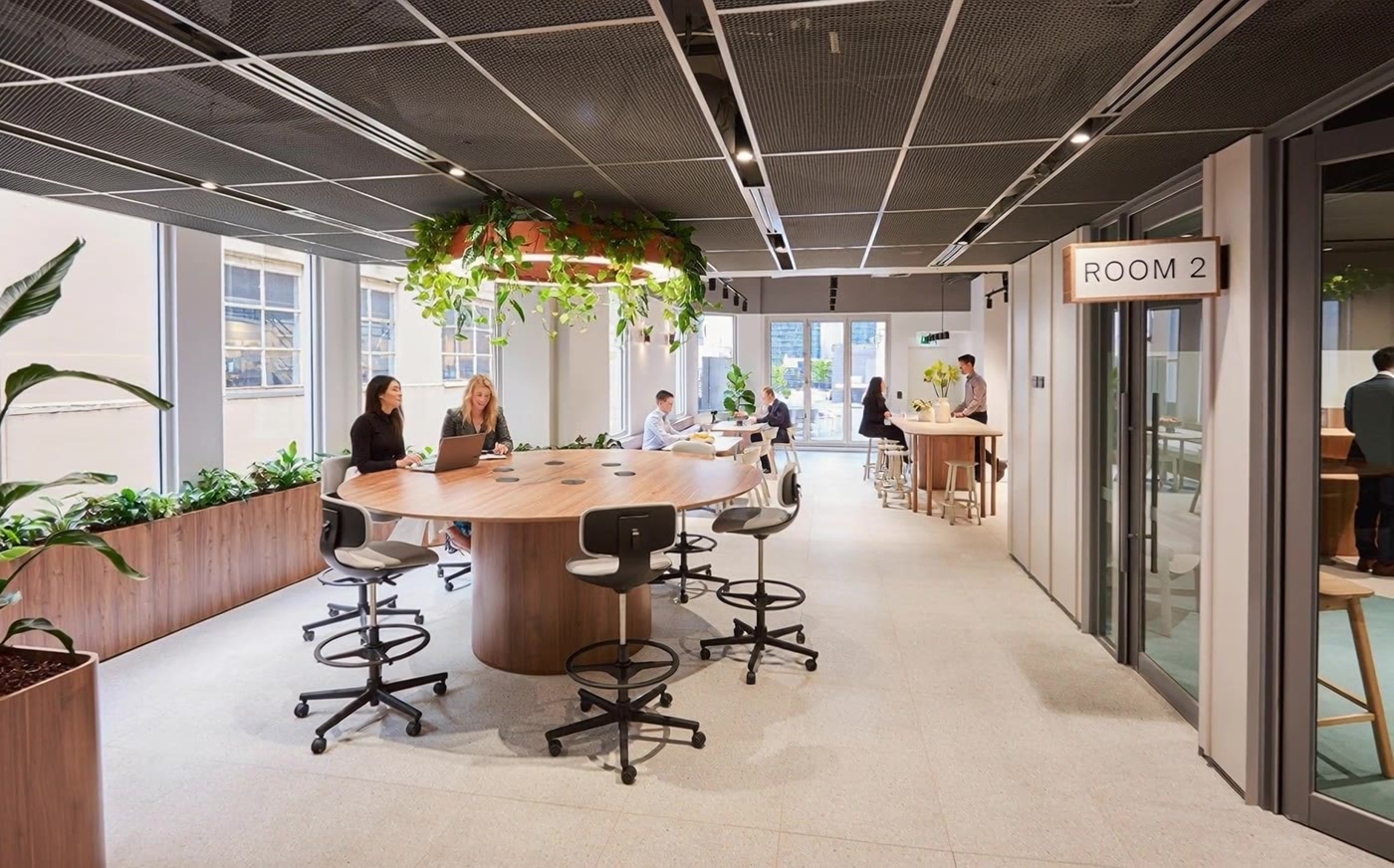
Architects, interior designers, and construction leads didn't work in sequence — they worked in the same room. Decisions that usually bounce between firms for weeks were made across a table in an afternoon, with a single team owning the outcome.
That closeness is the quiet advantage of the design-build model: fewer hand-offs, faster answers, and a shared stake in getting it right.
"The best environments come from people who actually talk to each other."coDesign — on the Four Seasons build
From structure to the finished floor.
Delivery at this scale is a thousand small commitments kept in a row — the pour that has to cure on schedule, the long-lead finish that has to arrive on time, the detail that has to be right the first time because there is no second.
One accountable team held the schedule, the budget, and the design intent together — so ambition survived contact with the job site.
Spaces built for the way people actually stay.